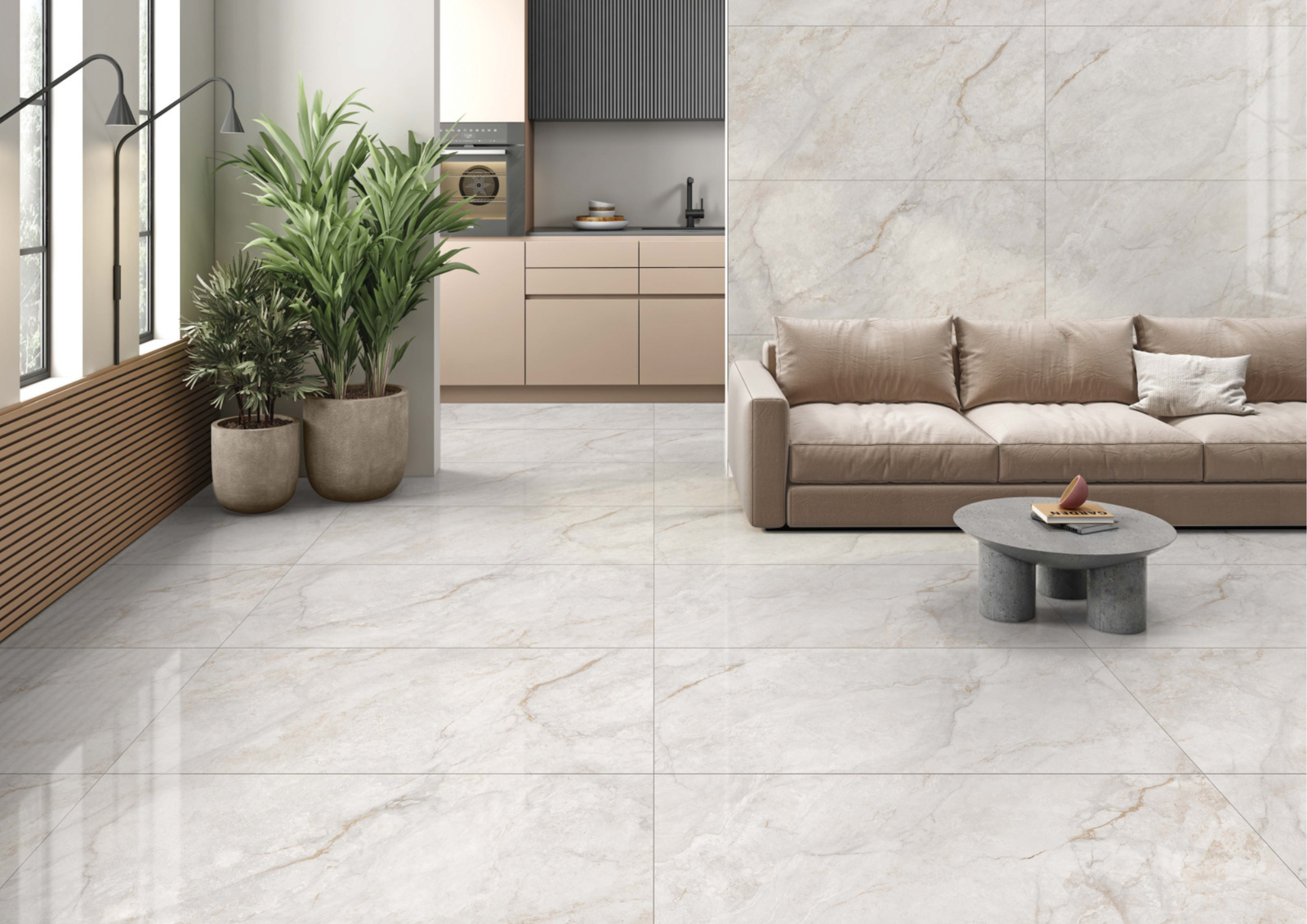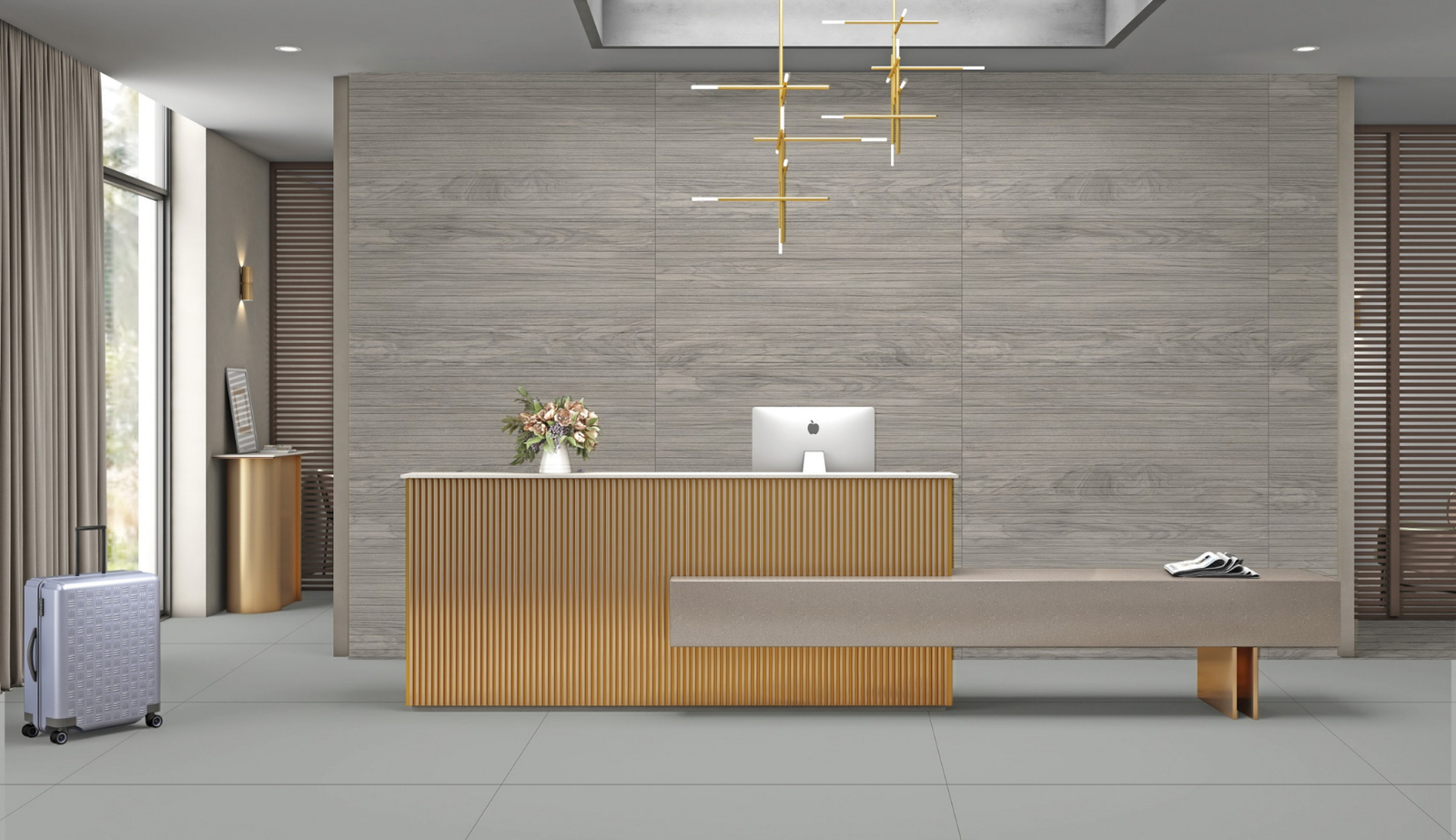



The living room is one of the most visible and frequently used spaces in a home. It has to work for everyday family life, guests, furniture movement, natural light and changing décor, while still looking considered years after installation.
That is why choosing the best tiles for a living room is not simply about finding a design that looks attractive in a showroom. Size, finish, colour, texture, lighting and maintenance all influence how the final space will feel.
For modern Indian homes, vitrified surfaces offer a wide design range, from quiet stone-inspired neutrals and polished marble looks to textured walls and wood-inspired finishes.

What Should Living Room Tiles Actually Do?
A living room floor has a different job from a bathroom wall or a decorative bedroom feature. It needs to support daily movement, work with furniture and remain visually balanced in changing light conditions.
Before choosing a tile, consider four basic questions:
| Question | Why It Matters |
|---|---|
| How much daily movement does the room receive? | Higher-use spaces benefit from surfaces selected with durability and maintenance in mind. |
| How much natural light enters the room? | Glossy, matt and textured finishes react very differently to strong sunlight. |
| Is the living room open-plan? | A continuous tile across living and dining areas can visually connect the spaces. |
| Is the tile for the floor, wall or both? | The ideal finish and visual intensity may differ between horizontal and vertical surfaces. |
Which Tile Size Is Best for a Living Room?
Tile size changes the visual rhythm of the room. Smaller formats create more joints and repetition, while larger formats can produce a calmer, more continuous appearance.
For contemporary living rooms, 600x1200mm tiles are a versatile option because the rectangular proportion works well across floors and walls while giving stone veins, textures and tonal movement enough room to develop.
They can also be continued into an adjoining dining area when the goal is to create one connected floor plane.

When larger tiles work especially well
Large-format tiles are particularly effective in open-plan homes, larger living rooms, minimal interiors and spaces where designers want fewer visual interruptions.
Does a small living room need small tiles?
Not necessarily. A smaller room can still use a larger tile successfully if the layout, cutting plan and proportions are handled carefully. The overall effect depends on the room dimensions and placement rather than size alone.
Matt vs Glossy Tiles for Living Room
Finish has a major influence on how a living room looks throughout the day.
| Finish | Visual Effect | Consider When |
|---|---|---|
| Matt / Textured | Soft, controlled and less reflective | You want a calm contemporary interior or stronger material character |
| Glossy / Polished | Brighter, reflective and visually polished | You want more light reflection and a luxurious surface effect |
| Wood Look | Warm, natural and softer in character | You want timber-inspired warmth within a tile-based interior |
| Decorative / Textured Wall | Creates a stronger focal point | You want one wall to carry more visual identity than the floor |
There is no universal answer to which finish is best. A glossy surface may suit a formal living room with controlled lighting, while a matt or textured finish may work better in a space that receives strong daylight or where a quieter aesthetic is preferred.
Use Texture When You Want Depth Without Loud Colour
One of the easiest ways to make a neutral living room more interesting is to introduce surface texture rather than adding more colours.
A textured beige, ivory or grey feature wall can react to light and create subtle shadows while keeping the overall palette sophisticated.

This approach works particularly well behind a sofa, sideboard, television unit or reading corner. The wall becomes part of the architecture instead of behaving like an isolated decorative element.
Which Tile Colours Work Best in Living Rooms?
The best colour depends on the room size, lighting and furniture, but several palettes are especially adaptable.
Beige and warm neutrals
Beige, sand, cream and warm stone tones create a softer base that works easily with timber furniture, brown upholstery, off-white walls and warm lighting.
Grey
Grey works well in modern and minimal interiors, particularly when balanced with wood, greenery, warm metal or soft fabrics.
White and ivory
Lighter colours can help a room feel visually bright and provide a flexible backdrop for changing furniture and accessories.
Darker tones
Charcoal and deep stone shades can create stronger architectural definition, but the amount of natural light and the overall size of the room should be considered carefully.
Wood-Look Tiles for a Warmer Living Room
Some contemporary living rooms can feel overly hard when every surface is stone, glass or metal. Introducing a wood-inspired surface can soften the overall composition.
Wood-look tiles recreate visual elements such as linear grain, tonal variation and natural movement while allowing the designer to maintain a tile-based material system.

Light oak and ash tones can complement Scandinavian or minimal interiors, while deeper wood shades create contrast against lighter floors and furniture.
Floor Tiles vs Wall Tiles in the Living Room
The floor and wall do not need to compete for attention.
A useful design principle is to decide which surface should lead the room.
If the floor is the hero
Choose a more expressive marble, stone or patterned floor and keep the walls visually quieter.
If the wall is the hero
Use a textured, decorative or wood-inspired feature wall and pair it with a calmer floor surface.
If you want a minimal look
Use related neutral tones across both surfaces, but change the texture or finish slightly to create depth without obvious contrast.
Living Room Tile Ideas for Different Interior Styles
| Interior Style | Tile Direction |
|---|---|
| Minimal Modern | Large-format beige, ivory or grey tiles with subtle movement |
| Luxury Contemporary | Polished stone or marble-inspired surfaces with restrained veining |
| Warm Modern | Wood-look feature surfaces paired with neutral flooring |
| Artistic / Statement | Decorative or textured wall tiles with simpler floor tiles |
| Open-Plan Living + Dining | One continuous large-format floor surface across both zones |
How Lighting Changes Tile Selection
Always check a tile in the type of light the living room actually receives.
Strong daylight can increase glare on highly reflective surfaces. Warm artificial lighting can make beige and wood tones feel richer. Directional lighting can reveal texture that may appear almost invisible under flat showroom lighting.
For that reason, a tile sample should ideally be viewed at different times of day before the final selection is made.
Common Mistakes When Choosing Living Room Tiles
Choosing only from a small sample
A single tile does not always reveal how the pattern will repeat across an entire floor or wall. Look at multiple faces or a larger installed preview wherever possible.
Ignoring the furniture palette
The tile should work with the sofa, tables, cabinetry, curtains and lighting rather than being selected as an isolated design object.
Using too many statement surfaces
If the floor, feature wall, furniture and ceiling are all visually dominant, the room can quickly become overwhelming. Give one or two elements priority.
Forgetting grout and layout
Grout colour, joint width and tile direction can affect the final appearance almost as much as the tile itself.
Selecting finish only for appearance
Consider maintenance, usage and manufacturer recommendations alongside the visual effect of the finish.
A Simple Living Room Tile Selection Checklist
| Step | Decision |
|---|---|
| 1 | Measure the living room and determine whether the floor continues into dining or other areas. |
| 2 | Choose the visual direction: stone, marble, texture, wood or decorative. |
| 3 | Select an appropriate size and plan the tile orientation. |
| 4 | Compare matt, glossy and textured finishes under actual room lighting. |
| 5 | Coordinate the tile with major furniture and wall colours. |
| 6 | Check technical suitability for the intended floor or wall application. |
| 7 | Review multiple tile faces and the final laying pattern before ordering. |
Choosing a Surface That Still Works When the Room Changes
Furniture will change. Curtains will change. Wall colours may change. The living room floor usually stays.
That is why the strongest tile choices are not simply the most dramatic options available today. They create a foundation flexible enough to work as the rest of the home evolves.
Capron Vitrified offers a wide range of 600x1200mm surfaces across glossy, textured, wood-inspired and decorative design directions, allowing homeowners, architects and interior designers to choose according to the needs of the room rather than one fixed style.
Frequently Asked Questions
Which tiles are best for a living room?
The best living room tile depends on room usage, lighting and design style. Vitrified tiles in neutral stone, marble, textured or wood-inspired designs can all work effectively when the finish and application are selected appropriately.
Is 600x1200mm a good tile size for a living room?
Yes. The 600x1200mm format can create a clean contemporary look with fewer visual interruptions while giving veins, textures and patterns more room to develop.
Which tile colour makes a living room look bigger?
Light colours such as ivory, beige, soft grey and warm white can help maintain a bright and open visual impression, especially when supported by good natural and artificial lighting.
Are glossy tiles good for living rooms?
Glossy tiles can create a bright, polished appearance in dry living areas. The amount of natural light, required maintenance and desired reflection level should be considered before choosing them.
Can wall tiles be used as a living room feature?
Yes. Textured, decorative and wood-inspired tiles can be used to create feature walls behind sofas, television units, consoles or reading corners, subject to the manufacturer’s recommended application.
What type of tiles suit a modern living room?
Modern living rooms often work well with large-format neutral surfaces, subtle stone or marble patterns, controlled textures and wood-inspired accents. The best option is the one that complements the complete interior palette.
Explore Surfaces for Your Living Room
Discover Capron Vitrified’s range of modern surfaces for living rooms, feature walls and contemporary interiors.
Interior designers and architects, follow us for the latest updates.