
Australia is one of the simplest markets in the world for buying tiles from India on duty, and one of the strictest at the border on compliance. This guide is for Australian distributors, tile retailers, builders and project buyers who want to know what they pay, what Australian Border Force (ABF) will ask for, and what to check before ordering from a Morbi factory.
Customs duty: 5% general rate, free for Indian-origin tiles
In Australia's customs tariff, ceramic tiles under subheadings 6907.21.90, 6907.22.90 and 6907.23.90 (tiles larger than 7 cm across, in each water absorption band) carry a general duty rate of 5%. (ABF, Customs Tariff Schedule 3, Chapter 69)
Under the Australia–India Economic Cooperation and Trade Agreement (ECTA), which entered into force on 29 December 2022, Indian originating goods in any tariff subheading not listed in Schedule 10A of the Customs Tariff Act have a Free rate of duty. Tile codes under 6907 are not on that list. (ABF Customs Notice 2022/52)
Porcelain and glazed vitrified tiles with water absorption of 0.5% or less fall under 6907.21. GST is payable on imported goods unless an exemption applies. (ABF, Cost of importing goods)
How to claim the ECTA free rate
The Free rate is not automatic. The goods must qualify as Indian originating under ECTA's rules of origin, and to claim the preference the importer must hold a certificate of origin, or a copy of one, at the time the goods are imported. If duty was paid because the certificate was not available, a refund can be claimed later once the importer holds it. (ABF, ECTA Rules of Origin guide)
Buyer tip: Ask your supplier to arrange the ECTA certificate of origin from an Indian issuing authority for every shipment, and make sure the tariff code, product description and quantities match the commercial invoice and packing list.
Asbestos assurance: the step new importers miss
Australia has banned the import of asbestos and goods containing asbestos since 31 December 2003. ABF risk-assesses every import and can hold goods at the border until it is satisfied they contain no asbestos. Importers need enough knowledge of their goods back to the point of manufacture to declare "no" with certainty. (ABF Customs Notice 2024/32)
"Tiles" appear on ABF's list of goods that might contain asbestos. (ABF, Goods that might contain asbestos) If ABF is not satisfied, it can require testing and certification in Australia at the importer's cost. ABF's guidance explains when overseas test reports are accepted, including the laboratory accreditation it expects. (ABF, Sampling and testing for asbestos)
Buyer tip: Before the first order, agree with your supplier what supply-chain documents and test reports they will provide, and check them with your customs broker against ABF's current requirements.
Slip resistance: Australian buyers specify P ratings
Australian specifiers classify the slip resistance of new pedestrian surfaces, including tiles, under AS 4586:2013, which gives wet-pendulum ratings from P0 (lowest) to P5 (highest). Industry guidance links typical minimums to the location, for example higher ratings for external paving, wet stairs and ramps, using the handbook SA HB 198:2014. (Standards Australia, SA HB 198:2014; Slip Testing Australia, wet pendulum interpretation guide)
European R ratings (R9 to R13) come from a different test and are not the same as P ratings. If your project or customer needs a P rating, ask for an AS 4586 test report for the exact series and finish you plan to buy.
Freight from India to Australia
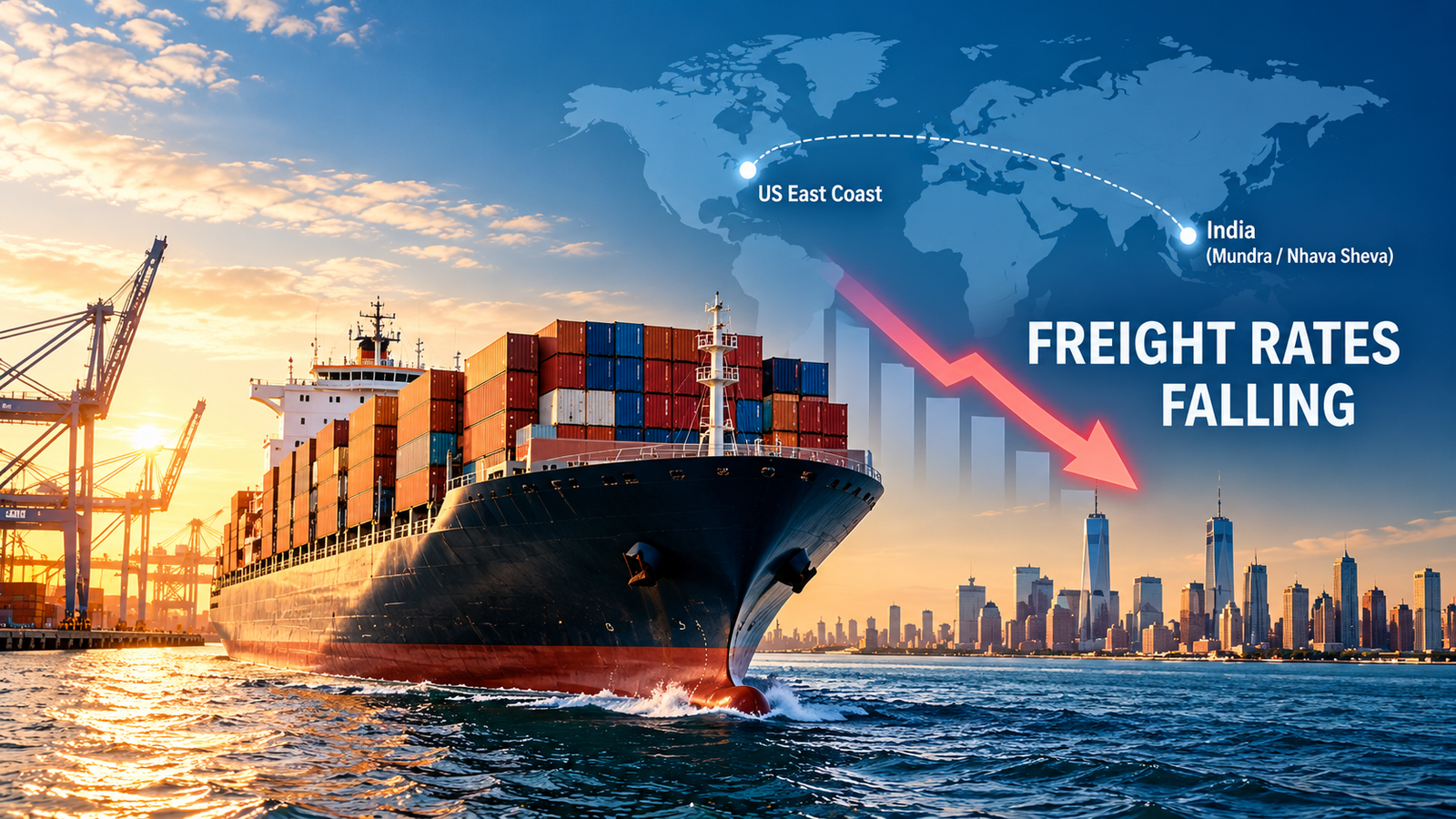
From the 1 November 2026 shipment date, ANL is adding US$300 per 20ft and US$600 per 40ft container on Indian Subcontinent cargo to Australia, on top of current spot or FAK rates and surcharges. (Sattva Global Logistics, India Export Freight Advisory, 16 Oct 2026) Other carriers price differently, so get an all-in quote from Mundra or Pipavav to your port, whether that is Melbourne, Sydney, Brisbane, Fremantle or Adelaide.
A practical checklist for Australian buyers
1. Confirm the tariff code and water absorption class. Ask for test data that supports the classification, so the customs entry and the ECTA claim rest on the same facts.
2. Put the certificate of origin in the purchase order. State that an ECTA certificate of origin will be supplied with each shipment, and who is responsible if it is missing or rejected.
3. Settle asbestos assurance before production. Agree which supplier declarations and test reports you will receive, and confirm with your broker that they meet ABF's requirements.
4. Ask for slip test results in the format your market uses. For floors in wet or external areas, request AS 4586 P-rating reports for each finish, not only an R rating.
5. Check packing and pallets. Ask how cartons are packed and labelled, and confirm with your broker the treatment and documentation required for timber pallets or other wooden packaging.
6. Build the full landed cost. Include the FOB price, ocean freight and surcharges, insurance, port and broker charges, any testing costs, GST and inland delivery.
How Capron Export can help
Capron Vitrified is a Morbi-based, ISO and CE certified manufacturer and exporter of vitrified and ceramic tiles, established in 2016. Our lead size is large-format 600×1200 mm. Our range includes the PRISM series of 14 glazed colours, engineered to match the look and durability of full-body tiles and kept in stock at all times, and the NOVA series with an anti-scratch GHR surface for high-traffic areas such as balconies, terraces and outdoor corridors. We supply clear FOB quotations, confirmed specifications, export packing and documentation for every shipment.
Planning your first order for Australia? Contact Capron Export or message our export team on WhatsApp at +91 76220 25593. Tell us your port, sizes, finishes, project type and monthly volume, and we will come back with an FOB quote, available test documents and a production schedule.
Note: Duty, ABF requirements and freight surcharges above are taken from the cited official and industry sources and can change. Confirm current requirements with your customs broker before ordering. This article is not legal or customs advice.