
The New Zealand–India Free Trade Agreement entered into force on 20 October 2026. For New Zealand tile importers, distributors, builders and project buyers, that changes the duty line on Indian tiles from day one. It does not change the border checks, the biosecurity rules or the Building Code. This guide covers what you now pay, what to put in your purchase order, and what to check before you order from a Morbi factory.
Customs duty: 5% normal rate, now free for Indian-origin tiles
In New Zealand's Working Tariff Document, floor and wall tiles under 6907.21.19, 6907.22.19 and 6907.23.19 (and the small-tile lines ending .15) carry a normal tariff of 5%. The current edition, effective 20 October 2026, lists goods of India ("IN") at a Free preferential rate on these lines. (NZ Customs, Working Tariff Document, Section XIII, effective 20 Oct 2026) Porcelain and glazed vitrified tiles with water absorption of 0.5% or less fall under 6907.21.
India's commerce ministry says New Zealand offered 100% duty-free access from entry into force, covering all tariff lines. (Ministry of Commerce and Industry, India–New Zealand FTA FAQs; MFAT, NZ–India FTA)
GST of 15% is still payable at the border. It is charged on the customs value plus any duty, freight and insurance. (NZ Customs, Duty and GST)
How to claim the free rate
The Free rate is not automatic. NZ Customs says importers claiming preference under the agreement must hold a valid Certificate of Origin, make sure the goods meet the agreement's rules of origin, keep supporting records for verification, and meet all New Zealand customs, biosecurity and product rules. Self-declaration of origin is not yet available, so certificates must come from an authorised issuing body. Customs also notes that New Zealand law requires origin records to be kept for seven years. (NZ Customs, New Zealand–India Free Trade Agreement)
Buyer tip: Write the Certificate of Origin into your purchase order for every shipment. Make sure the HS code, product description and quantities on it match the commercial invoice and packing list, so your broker can claim the Free rate at entry.
Asbestos: prohibited unless permitted
Since 1 October 2016, asbestos-containing products cannot be imported into New Zealand unless the importer holds a permit from the Environmental Protection Authority, or the goods are imported solely for re-export under Customs control. (EPA, Permit to import asbestos-containing products)
Buyer tip: Before the first order, agree with your supplier which declarations and test reports they will provide to show the tiles contain no asbestos, and check them with your customs broker.
Biosecurity: pallets, crates and containers
The tiles themselves are not the biosecurity risk; the packaging and the container can be. MPI says importers of wood packaging, including pallets, crates and dunnage, must comply with the Import Health Standard for Wood Packaging Material from All Countries, which incorporates ISPM 15. Treated wood packaging needs an ISPM 15 stamp, an NPPO-endorsed treatment certificate or a phytosanitary certificate. All sea containers must go to a transitional facility and be unpacked there, and the importer is liable for any costs of non-compliance or contamination. (MPI, Steps to importing wood packaging)
Buyer tip: Ask your supplier to confirm that every pallet and crate is ISPM 15 stamped, and that containers are packed clean.
Slip resistance: what the Building Code asks for
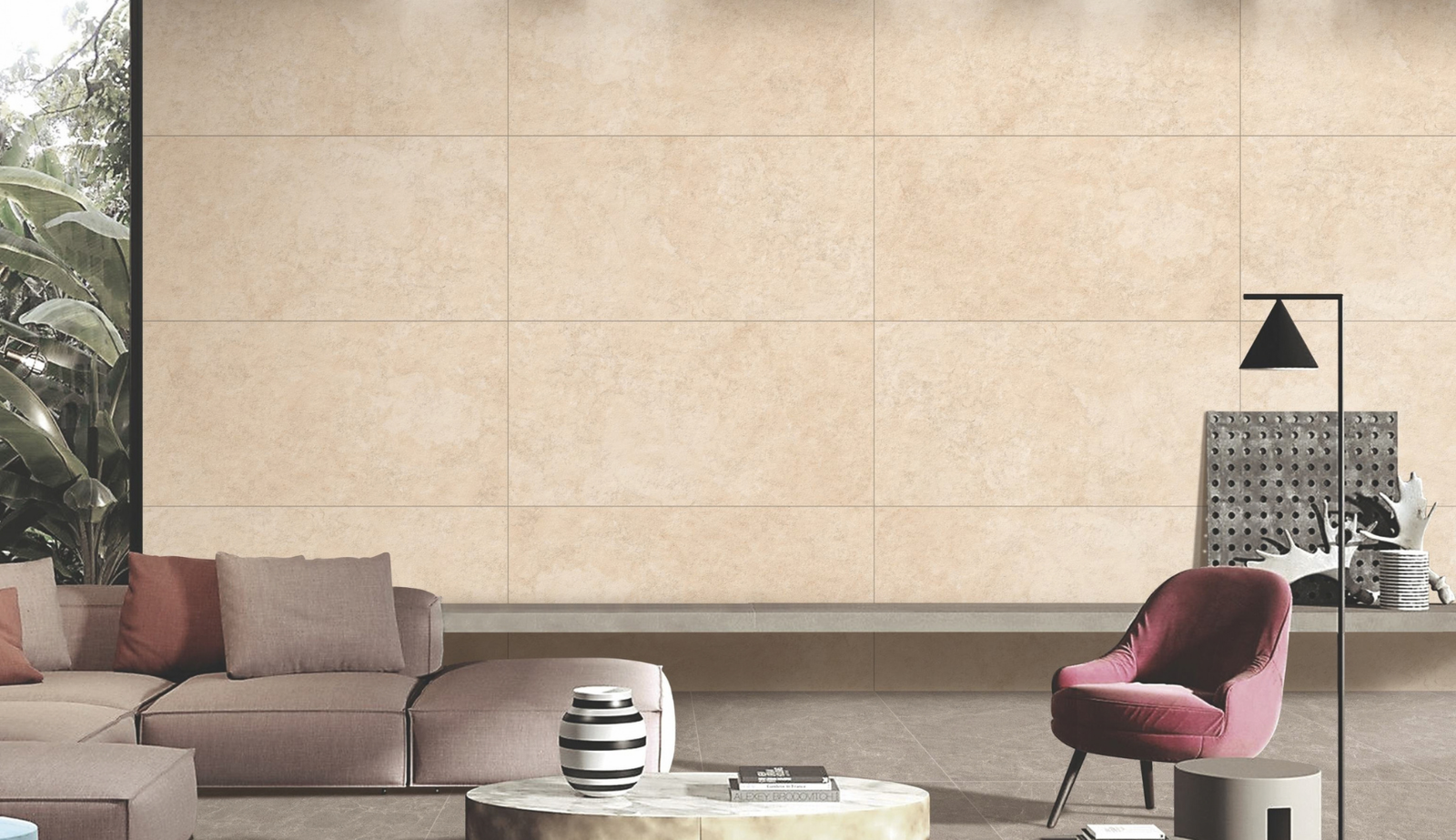
Under Building Code clause D1 Access routes, access routes and stairs must have adequate slip resistance. BRANZ explains that the Acceptable Solution D1/AS1 cites AS 4586-2013, and that level access routes likely to become wet need a slip resistance value (SRV) of at least 39 under AS 4586 Appendix A, unless the material is listed as acceptable in D1/AS1 Table 2. In that table, smooth or polished glazed ceramic tiles are not acceptable for wet level surfaces or for slopes and stairs, and profiled or grit-finish tiles must be tested. BRANZ also recommends an SRV of 39 in home bathrooms, kitchens, laundries, decks and areas near external doors, even where the Code does not require it. (BRANZ Bulletin 626, Slip resistance of floors; MBIE, D1 Acceptable Solutions and Verification Methods)
Buyer tip: For floors in wet areas, entries, lobbies and stairs, ask for AS 4586 slip test reports for the exact series and finish you plan to buy. European R ratings come from a different test and are not the same thing. Check the current edition of D1/AS1 with your designer, as Acceptable Solutions are updated from time to time.
Building product information: the importer's job
Since 11 December 2023, New Zealand-based manufacturers and importers of building products must publish required product information online, free and without a login. This includes the product name and description, manufacturer and importer details, scope and limits of use, how the product contributes to relevant Building Code clauses, design, installation and maintenance requirements, and a statement on any warning or ban. The website address must appear on the product, its packaging or a sign next to it. MBIE lists only a few exemptions, such as CodeMark-registered products. (MBIE, Building product information requirements)
Buyer tip: Ask your supplier for technical data sheets, installation guidance and test reports in English before shipment, so you can publish your product information on time.
Freight and schedules from India
New Zealand-bound cargo from India usually moves via transhipment hubs. In early October, Auckland forwarder Oceanbridge reported that congestion at Singapore and Port Klang, industrial action at empty container yards in Mundra and delays at other Indian ports were causing omitted calls on India and Subcontinent services, with many bookings rolling by up to three weeks. (Oceanbridge, View from the Bridge, 8 Oct 2026) Ask your forwarder for an all-in rate to Auckland, Tauranga, Wellington, Lyttelton or Port Chalmers, with surcharges listed, and the routing and transhipment port named.
A practical checklist for New Zealand buyers
1. Confirm the tariff code and water absorption class. Ask for test data that supports the classification, so the entry and the FTA claim rest on the same facts.
2. Put the Certificate of Origin in the contract. State who arranges it, when it will be sent, and who is responsible if it is missing or rejected.
3. Settle asbestos assurance before production. Agree the declarations and test reports you will receive.
4. Ask for slip test reports in AS 4586 format. Request them for each finish intended for wet areas, entries, decks and stairs.
5. Check pallets and packing. Confirm ISPM 15 stamping, carton labelling and the number of square metres per pallet and container.
6. Prepare your product information. Collect data sheets and installation guidance before the goods land.
7. Build the full landed cost. Include the FOB price, ocean freight and surcharges, insurance, port, transitional facility and broker charges, any testing costs, GST and inland delivery.
8. Leave time in the schedule. Allow for transhipment delays and rollovers when you promise dates to your customers.
How Capron Export can help
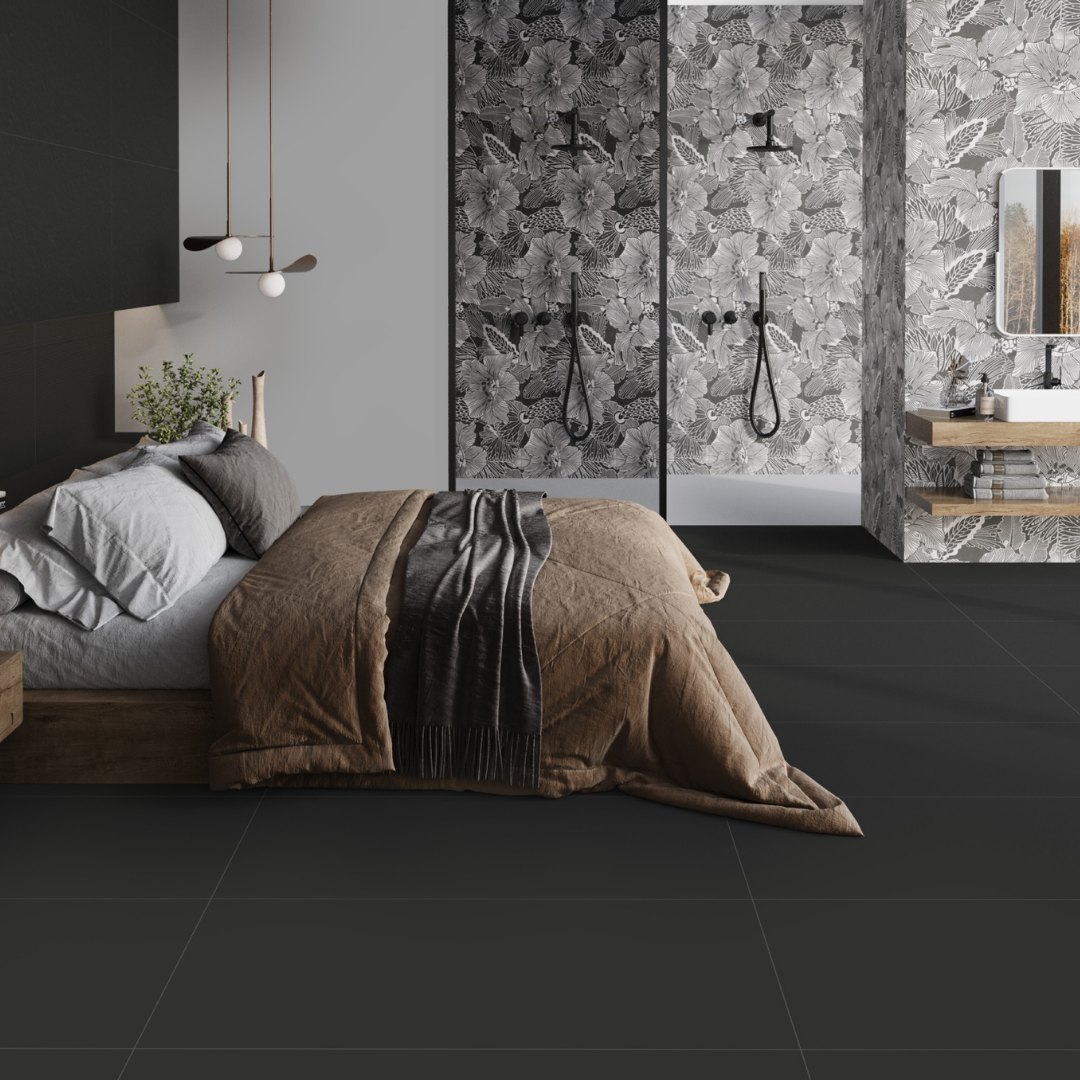
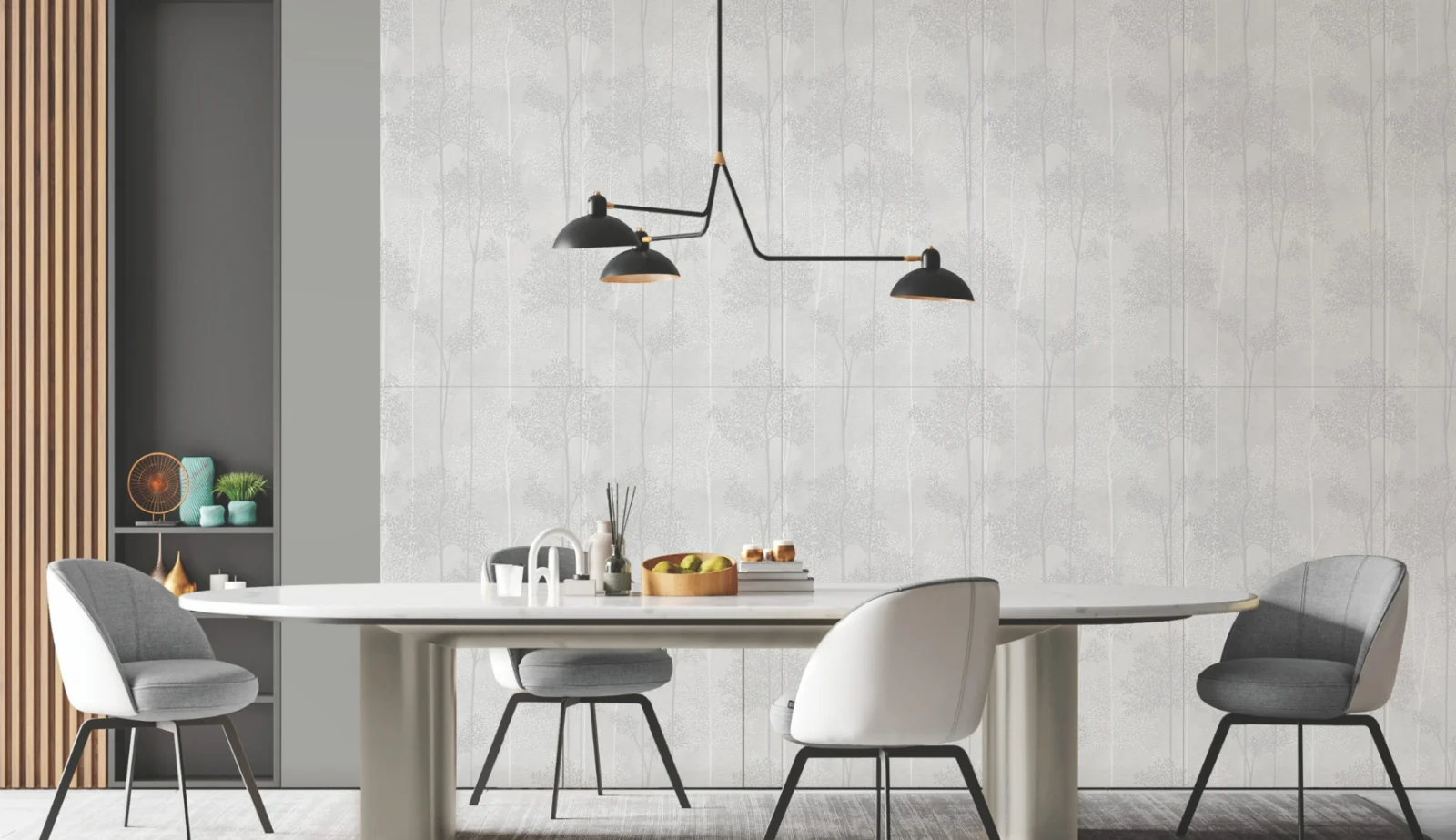
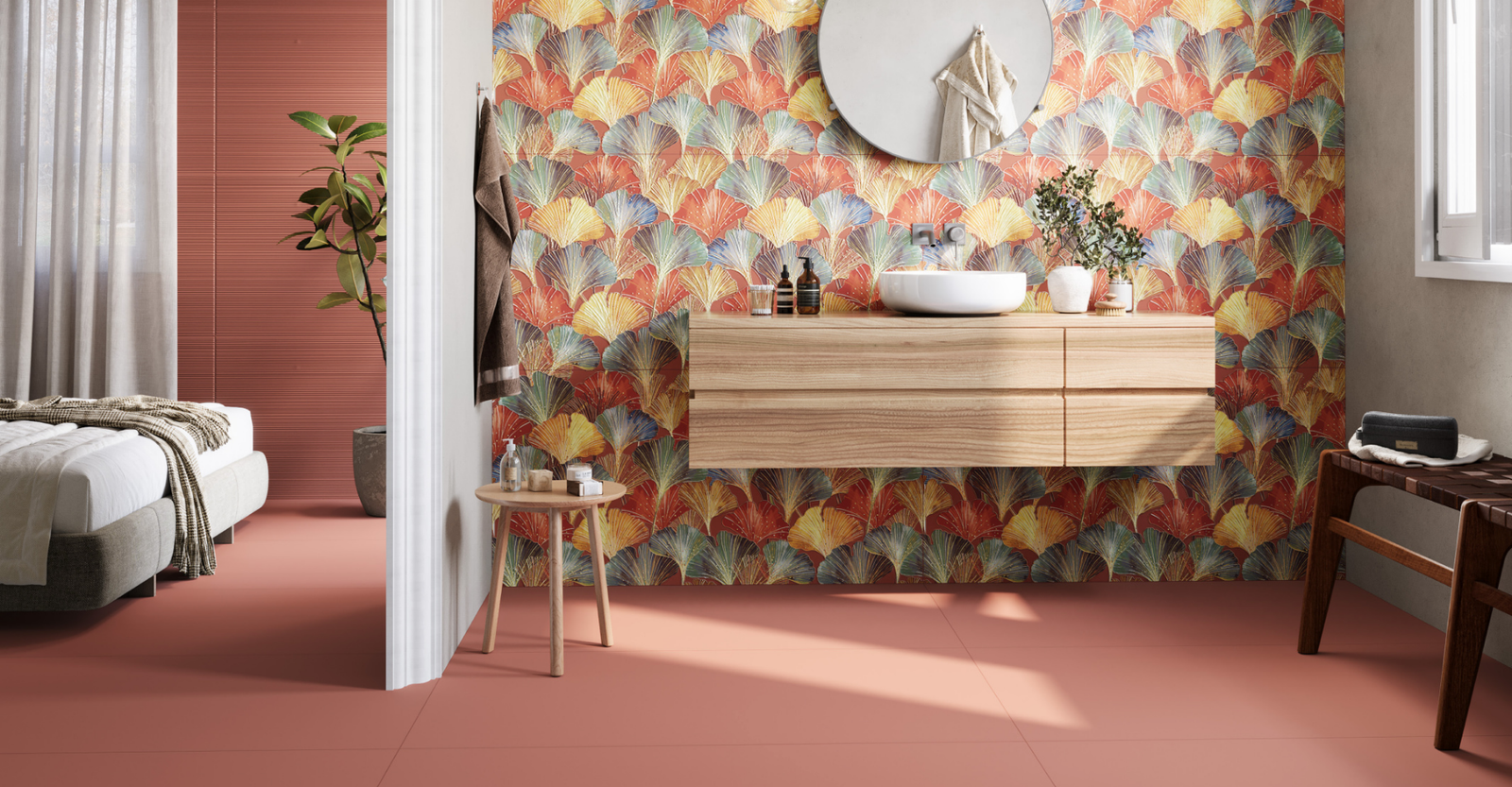
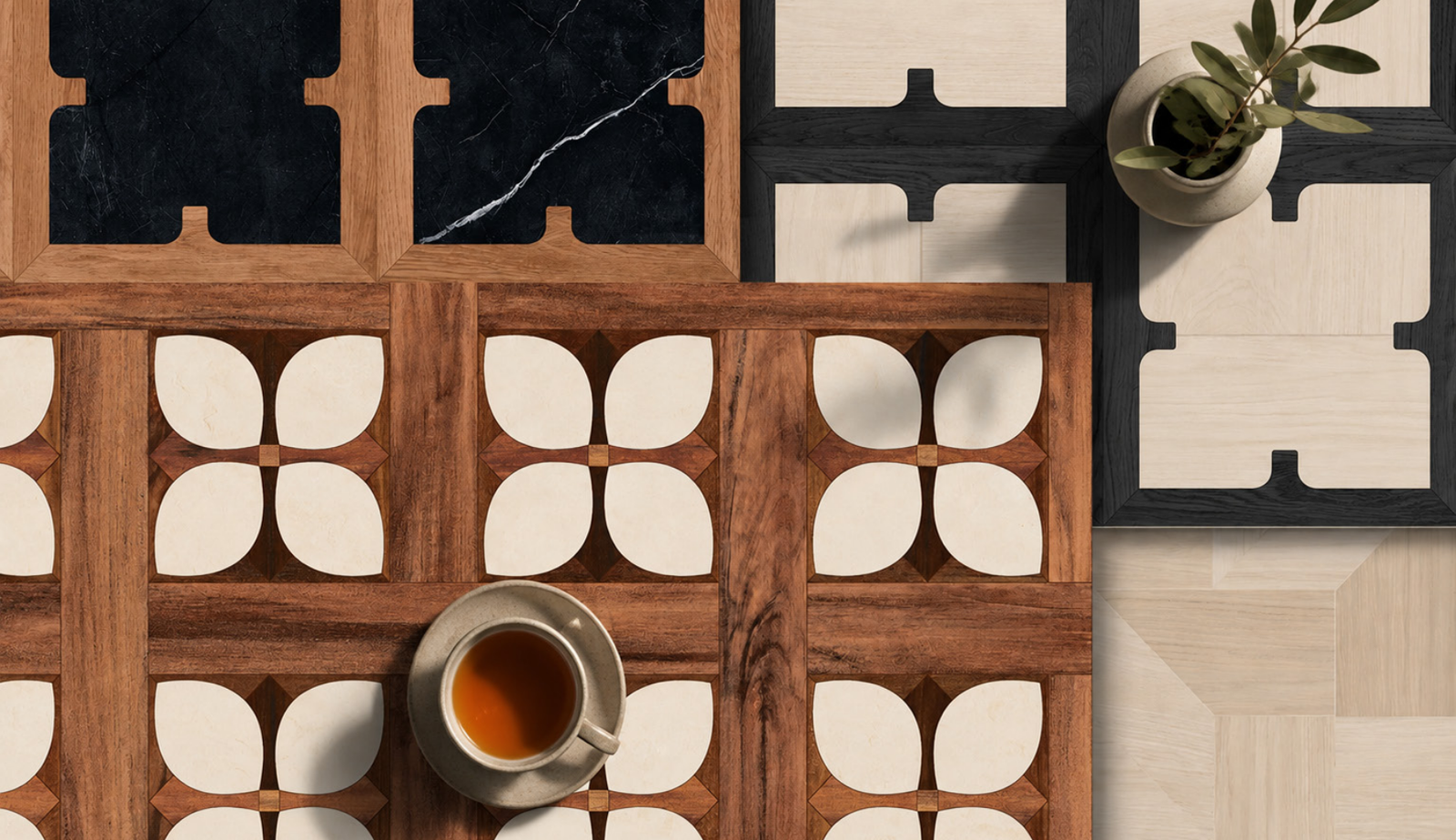
Capron Vitrified is a Morbi-based, ISO and CE certified manufacturer and exporter of vitrified and ceramic tiles, established in 2016, and works with 200+ dealers, architects, interior designers and developers. Our lead size is large-format 600×1200 mm. Our PRISM series offers 14 glazed colours, engineered to match the look and durability of full-body tiles and kept in stock at all times. Our NOVA series has an anti-scratch GHR surface with a leather-touch feel, made for bathroom floors, balconies, terraces, pool decks and outdoor corridors. For busy interiors, VERSE is an anti-scratch matt surface for high-traffic areas. We supply clear FOB quotations, confirmed specifications, export packing and documentation for every shipment.
Planning your first order for New Zealand? Contact Capron Export through capronvitrified.com or message our export team on WhatsApp at +91 76220 25593. Tell us your port, sizes, finishes, project type and monthly volume, and we will come back with an FOB quote, the test documents available for your chosen series and a production schedule.
Note: Duty, GST, biosecurity and Building Code information above is taken from the cited official and industry sources and can change. Confirm current requirements with your customs broker and designer before ordering. This article is not legal or customs advice.