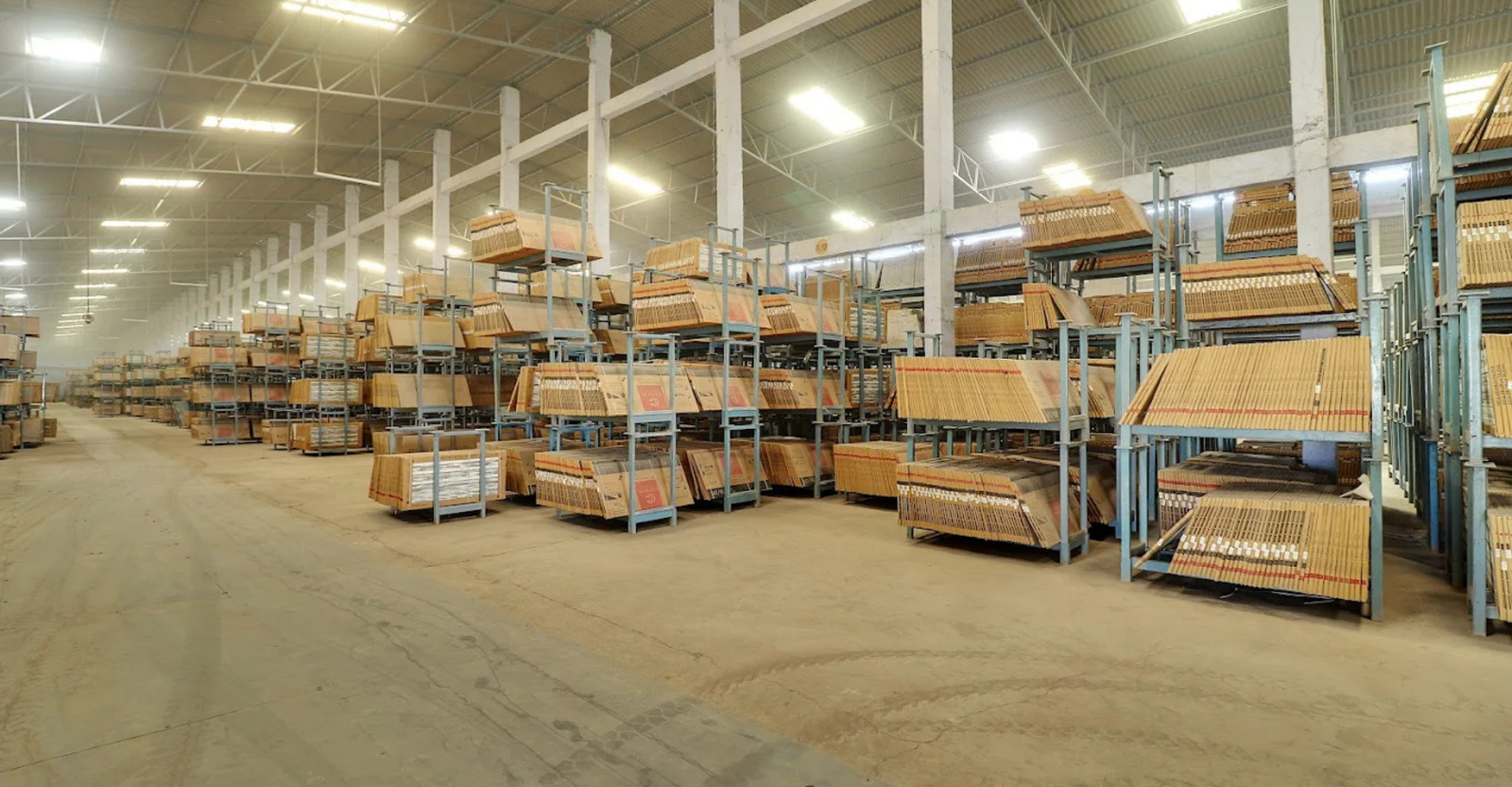



If you import tiles into the Gulf, the last two weeks have brought a clear message: shipping costs and transit times on the India-Middle East lane are not settling yet. Here is what happened, what it means for buyers sourcing from Morbi, and how to plan your next orders.
What happened: the news in brief
On 25 September 2026, The Loadstar reported that spot container rates from India to the Middle East had risen by 25-40% since the last week of August.
Booking rates from JNPA (Nhava Sheva) to Dammam were quoted as high as about US$8,500 per TEU and US$9,500 per 40ft, up from roughly US$5,800 and US$6,800 a month earlier. JNPA-Jeddah averaged around US$5,500 per TEU and US$7,400 per 40ft.
The same report noted that CMA CGM announced an increased emergency fuel surcharge on Middle East trades from 1 October, citing Brent crude trading above US$100 a barrel since early September.
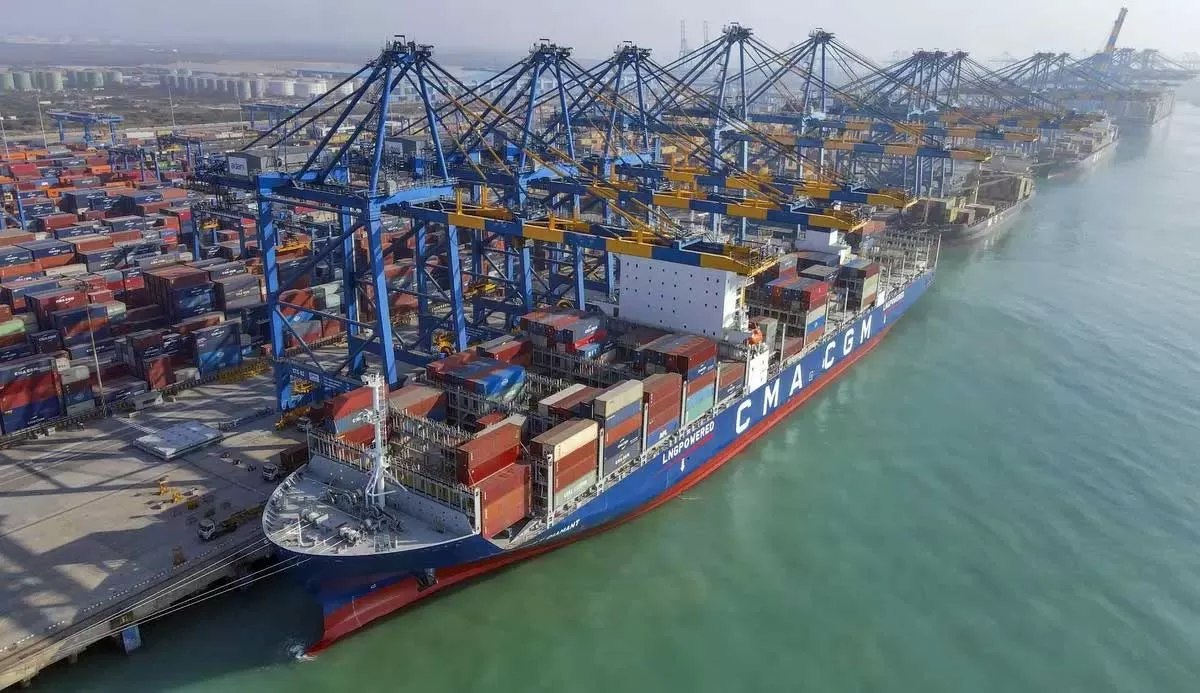
The source draft links the increase to continued disruption around the Strait of Hormuz. It notes that container lines have continued routing Gulf cargo through workaround ports such as Salalah, Khor Fakkan, Fujairah and Jeddah, with congestion and berthing delays affecting several gateways through September.
As of 4 October, the draft notes that Iran said the strait would not reopen until its conditions were met, while indirect talks continued.
Why this matters for tile buyers in particular
Tiles are heavy and relatively low in value per kilogram, so freight is a much larger share of landed cost than for many manufactured goods. When a container rate moves by a few thousand dollars, your cost per square metre moves noticeably too.
That makes freight planning particularly important for distributors and importers sourcing tiles from Morbi through Capron Export.
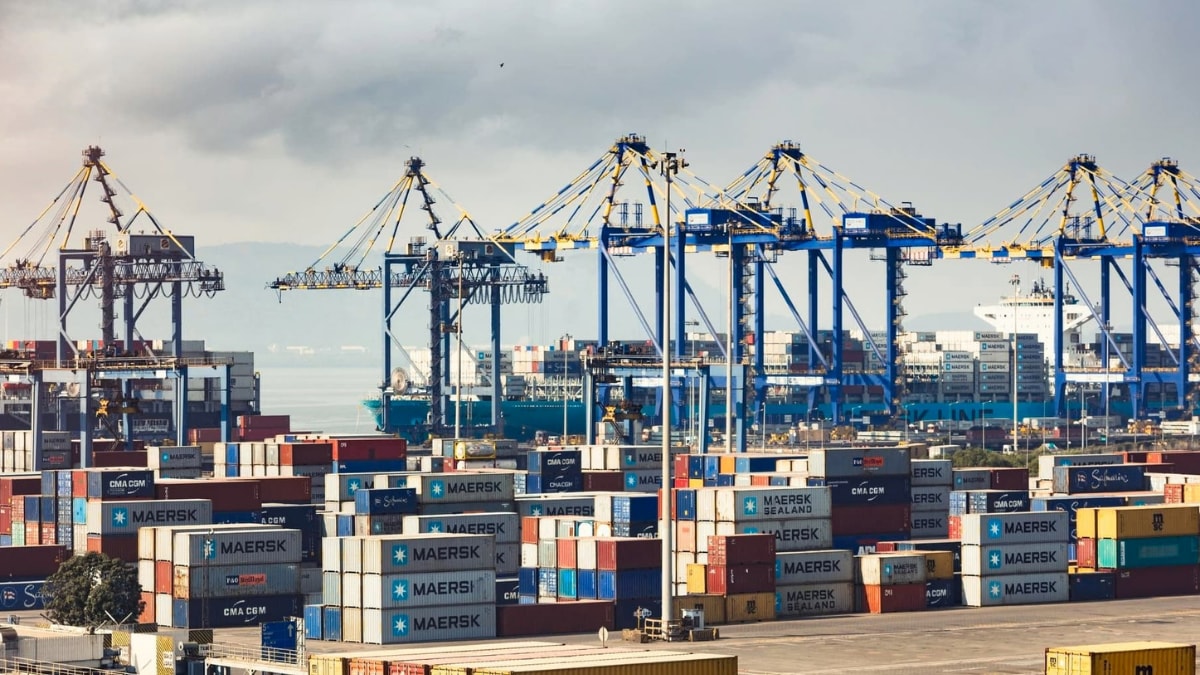
There are also two India-side factors worth understanding
Production has recovered, but costs are higher
The source draft cites official DGCI&S data reported by CeramicPost showing that India’s ceramic tile exports under HS 6907 fell 38.8% in April-June 2026, with April as the low point. By June, exports were within about 10% of the previous year, while July slipped back to around -18.6%.
It also notes that gas costs in Morbi roughly doubled during the crisis, based on figures cited from a listed manufacturer’s investor presentation.
In practical terms, the draft’s conclusion is straightforward: Morbi factories are producing again and supply is available. The bigger challenge for buyers now is logistics and planning, not product availability.
The rupee is weak against the dollar
The draft records the rupee closing at about ₹96.30 per US dollar on 5 October 2026, near the ₹96 level crossed on 1 October as high oil prices and foreign fund outflows weighed on the currency.
For buyers paying in USD, a weaker rupee can partly offset higher Indian input costs. It does not cancel out freight increases, which are charged in dollars.
Five practical takeaways for importers and distributors
1. Quote on FOB, but budget on landed cost
Ask your supplier for an FOB price from Mundra or Pipavav, the closest major ports to Morbi, and get your own CIF or door-delivery estimate from your forwarder for the same week.
With spot rates moving weekly, a CIF quote that is 10 days old may already be out of date. If you are still defining the product itself, Capron’s guide to vitrified tile types, sizes and finishes can help establish the specification before commercial comparison.
2. Confirm the real discharge port and final route
For Gulf destinations, the port on the booking may not be where your container actually lands. Ask your forwarder which workaround gateway the carrier is using – for example, a Jeddah landbridge for Riyadh and Dammam, or Fujairah/Khor Fakkan with trucking into Jebel Ali – and how storage charges apply at each stage.
Build delivery dates from the final handover, not only the ocean ETA.
3. Consolidate orders and plan in larger, fewer shipments
When each container is expensive, make every one count. Mixing sizes and series in one container, and planning a quarter’s needs in two or three shipments rather than many small ones, can reduce exposure to surcharges and congestion.
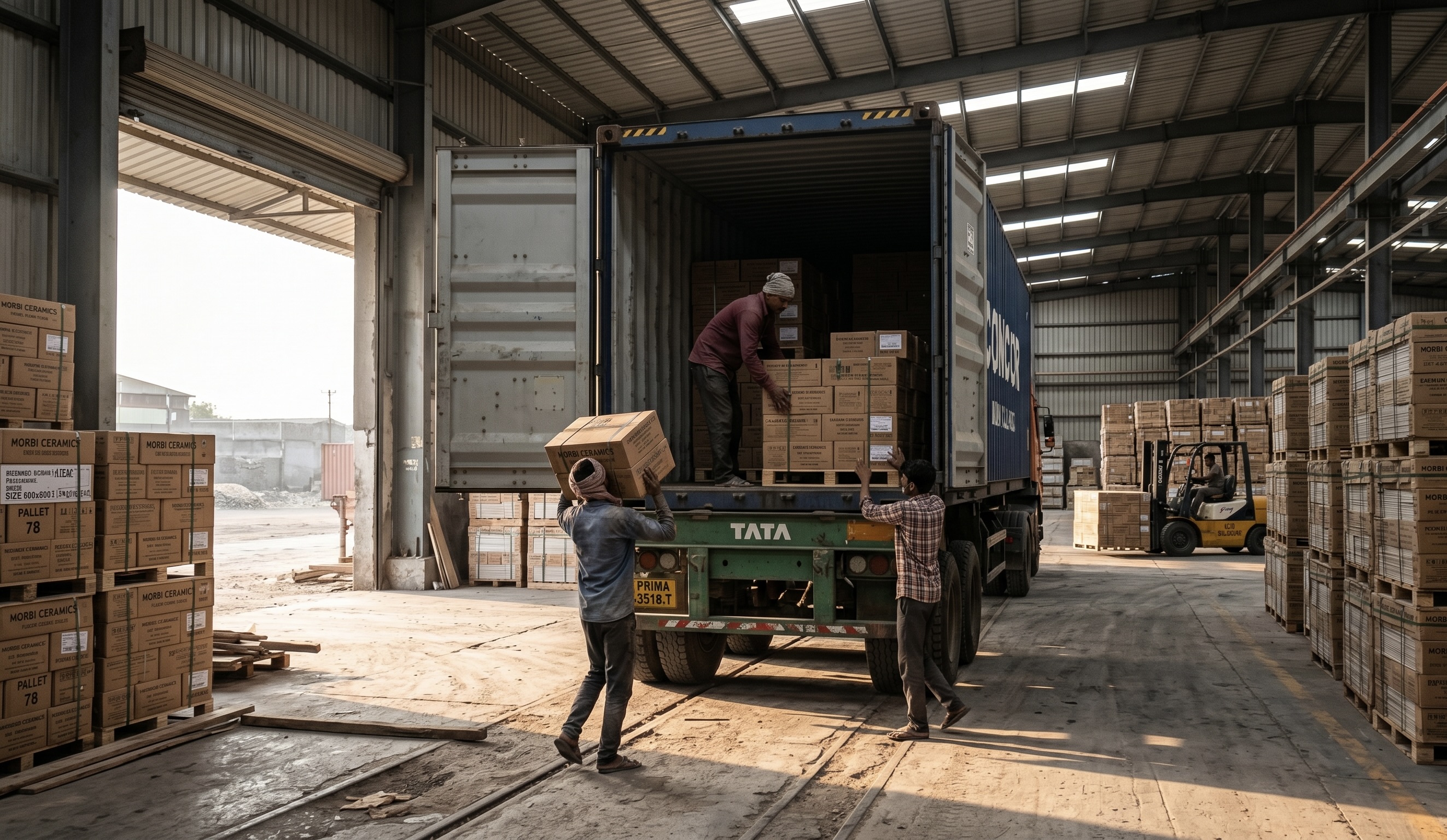
4. Lock your product specification early, so production is never the bottleneck
Delays at the port are difficult to control. Delays caused by an unfinished specification are more avoidable.
Finalise sizes, finishes, shade and calibre requirements, packing and pallet marking before placing the order. Then the goods can be ready when the forwarder secures space.
Importers evaluating production capability can also review Capron’s manufacturing and quality approach.
5. Build a little flexibility into contracts
Agree in advance how buyer and supplier will handle a rerouting, change of discharge port or sudden surcharge. A short written understanding covering quotation validity, who books freight and what happens if a sailing is cancelled can prevent disputes later.
If the Strait of Hormuz reopens, routes may change again at short notice, so flexibility helps in both directions.
Q4 planning checklist
| Before confirming the order | Why it matters now |
|---|---|
| Get a current FOB quote | Separates factory pricing from volatile freight. |
| Refresh freight with your forwarder | Spot rates can move materially within days. |
| Confirm actual routing | Workaround gateways can affect transit and storage. |
| Consolidate requirements | Fewer, fuller shipments reduce repeated exposure to surcharges. |
| Freeze specifications early | Keeps production from delaying a secured sailing. |
| Define surcharge/rerouting responsibility | Reduces commercial disputes when conditions change. |
Looking beyond the Gulf
Buyers in other regions are not completely insulated. The source draft notes that Indian export freight indices rose across several lanes in September, with North America remaining the most expensive route.
Importers in Europe, Africa and Southeast Asia can apply the same discipline: compare suppliers on FOB, get fresh freight quotes, and plan production well ahead of the sailing window.
How Capron Export can help
Capron Vitrified is a Morbi-based manufacturer and exporter of vitrified and ceramic tiles. In a market like this, the focus should be on what can be controlled: clear FOB quotations, confirmed specifications, dependable production timelines, and export-ready packing and documentation.
Capron can work with the buyer’s forwarder or discuss shipment planning for upcoming orders. You can review the company’s international capabilities on the Capron Export page.
PLANNING A SHIPMENT FOR Q4 2026 OR EARLY 2027?
Contact Capron Export or message the export team on WhatsApp at +91 76220 25593 with your destination port, required sizes and monthly volume for a quotation and realistic production schedule.
DON’T SETTLE FOR ORDINARY.