
"Anti-slip" and "anti-scratch" are two of the most common phrases in a tile specification, and they are often treated as if they meant the same thing. They do not. One describes how safe a floor is to walk on when it is wet; the other describes how well the surface keeps its look under wear. A floor can be strong on one and average on the other, so architects and interior designers need to ask for both. This guide explains the difference and how to match each to the room.
Anti-slip and anti-scratch are different properties
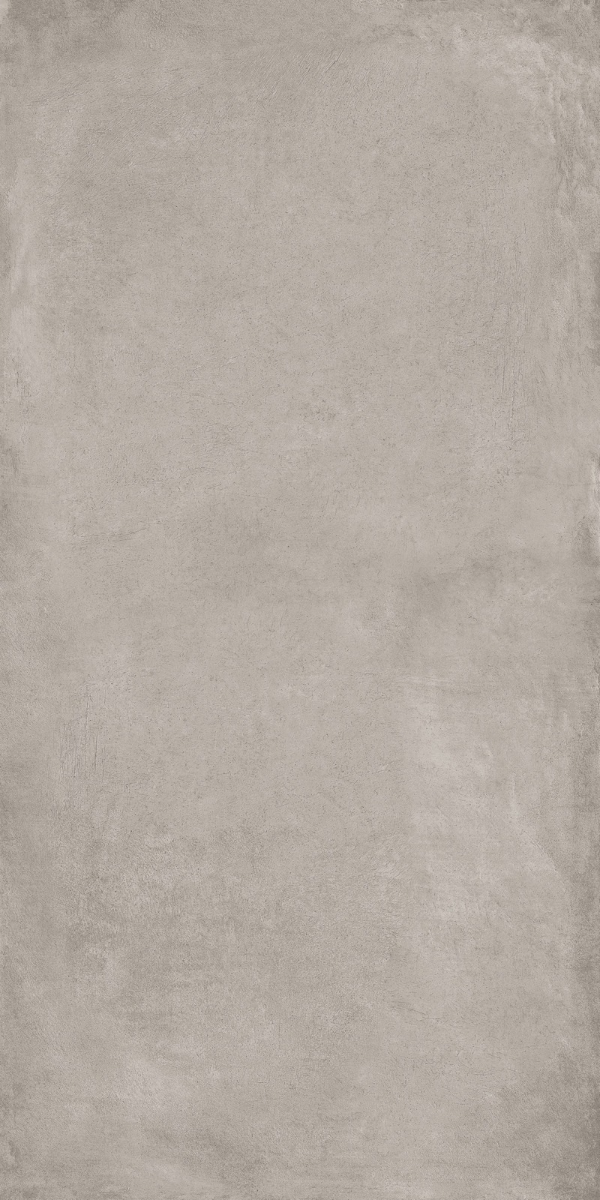
Slip resistance is about grip underfoot, especially with water, soap or oil on the floor. Scratch and abrasion resistance is about how the surface holds up against grit, dragged furniture, trolleys and daily traffic. A matt surface that resists scratches is not automatically safe on a wet floor, and a textured, grippy surface can show wear differently. Specify each one separately, for the room it is meant for.
How slip resistance is rated
R classes (R9 to R13). In Europe, tiles are tested by walking on an inclined, oiled surface, and rated by the angle at which the tester starts to slip: R9 is 6–10°, R10 is over 10–19°, R11 is over 19–27°, R12 is over 27–35° and R13 is over 35°. Higher means more grip. (Villeroy & Boch, Slip resistance of floor tiles)
Barefoot classes (A, B, C). For wet areas where people walk barefoot, a separate scale applies: class A starts at 12°, B above 18° and C above 24°. The same source lists showers and pool surrounds in class B. (Villeroy & Boch)
DCOF (wet dynamic coefficient of friction). The American standard ANSI A137.1 asks for a wet DCOF of at least 0.42 on level interior floors that will be walked on when wet. The test is useful for comparing products, but ANSI notes that it should not be taken as proof that a slip cannot occur. (ANSI Blog, NFSI B101.3-2022)
How wear and scratching are rated
Two different tests are often confused:
- Visible abrasion (PEI, ISO 10545-7). This tells you when wear becomes visible on a glazed surface, classes 0 to 5, under a standard abrasive cycle.
- Scratch hardness (Mohs). This tells you whether a harder point can scratch the surface.
A high PEI class does not make a tile scratch-proof, and a Mohs value does not show how the surface wears under traffic. Colour and finish also matter, because dark, glossy or plain surfaces show change sooner. Ask for the declared maximum recommended use of the exact design you plan to use. (porcelaintiles.us, PEI, scratch and traffic ratings)
A reference table by room
German workplace rules (ASR A1.5) give a useful reference for the R class needed in different areas. They are not binding in India and do not cover private homes, but they are a good starting point for a specification. (Villeroy & Boch)
| Area | Reference R class | Main scratch concern |
|---|---|---|
| Indoor entrance and lobby (wet when it rains) | R9 | Grit carried in from outside |
| Toilets | R9 | Light wear |
| Washrooms and changing rooms | R10 | Cleaning and light wear |
| Shower rooms and pool surrounds | R10 (with barefoot class B) | Wet cleaning |
| Tea and coffee kitchens | R10 | Dragged items |
| Commercial restaurant and hotel kitchens | R12 | Trolleys and heavy use |
| Covered car parks not exposed to weather | R10 | Tyres, grit, bike stands |
| Outdoor entrances, paths and parking | R11 or R10 | Grit, wet weather |
For private bathrooms and kitchens, the same source says there are no standard rules, but recommends slip-resistant tiles anyway, particularly for floor-flush showers.
Room-by-room: what to specify
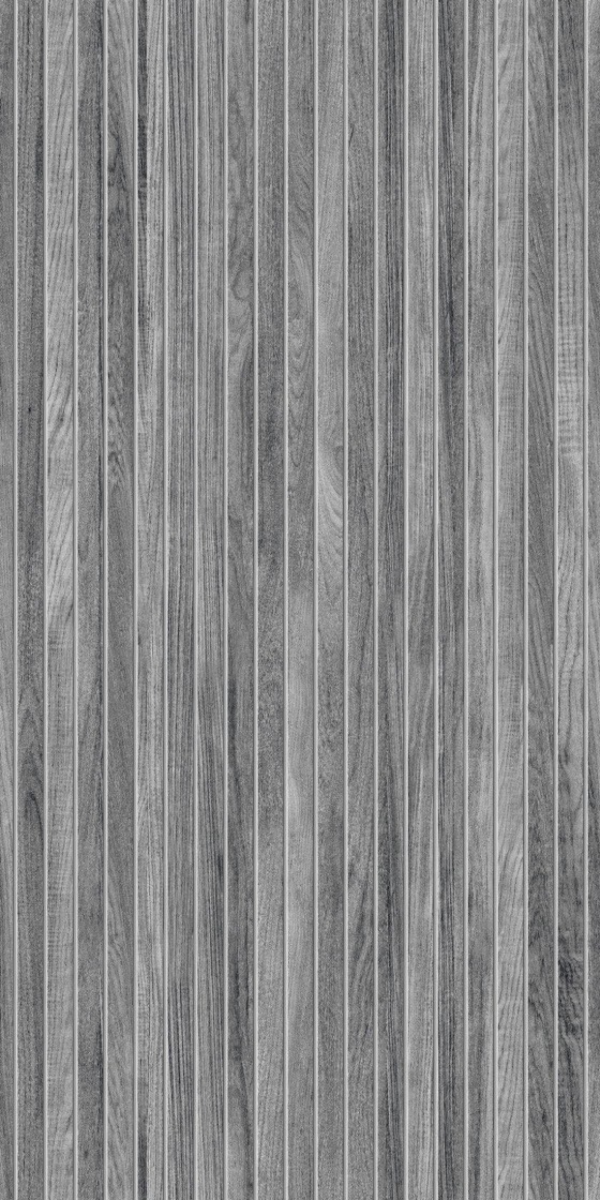
Bathrooms. Wet floors need grip first. Choose a textured, matt surface for the floor and keep glossy tiles for the walls. Capron's NOVA series has a GHR (leather-touch) anti-scratch surface and is designed for bathroom floors, balconies, terraces, pool decks, outdoor corridors and swimming pool changing rooms. For more on bathroom specification, see our architect's guide to bathroom tile design.
Kitchens. Home kitchens see spills and dragged chairs. Choose a matt, anti-scratch surface for the floor, and check slip data if the floor is often wet. Capron's AIR series (AIR, AIR PRO and AIR PLUS) is anti-scratch and advisable for floor and wall. For more ideas, see our guide to kitchen tile design.
Lobbies and corridors. These combine heavy footfall with grit and wet shoes in the monsoon. Choose a durable matt surface. Capron's VERSE is an anti-scratch matt surface for high-traffic areas, and NOVA is described in our product guide as one of our best products for high-traffic areas. Add entrance mats to catch grit before it reaches the tile.
Parking and service areas. Capron's CORE series is designed for house and office parking, is anti-scratch and acid-proof, and can handle car weight and bike stands. See our guide to parking tiles for what else to consider outdoors.
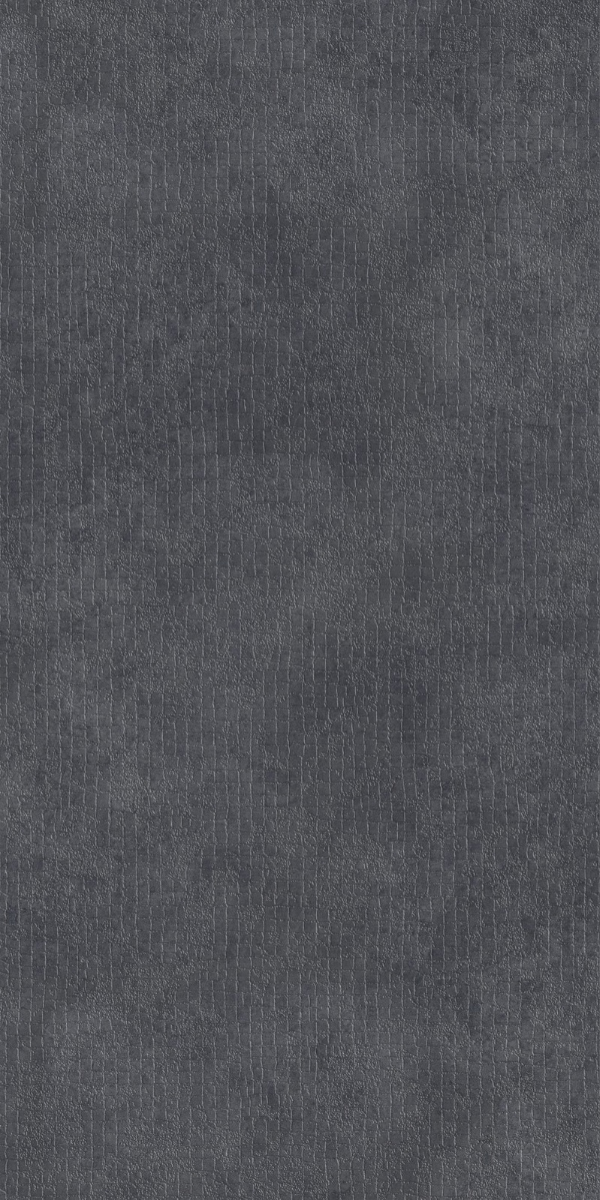
Dark matt floors. Dark surfaces show scratches more easily. Capron's ZED BLACK is available in a glossy finish and an anti-scratch matt finish, the latter described in our product guide as the best in matt surface.
Glossy surfaces. Capron's GLOSSY (PGVT), ASCENT and KARBON ranges have very high light reflection and are suited to decorative surfaces. ASCENT and KARBON are not recommended for heavy-traffic or slip-risk areas. Keep them to walls and dry decorative areas. For more on the choice, see glossy vs matt tiles: an architect's guide.
Anti-scratch is not a slip rating: ask for both
Capron's anti-scratch surfaces are designed to keep their look under traffic. That is a different question from slip resistance. For any wet area, ask us for the slip-resistance test report for the exact design and size you are specifying, and check it against your project requirement, whether that is an R class, a barefoot class or a DCOF value. We would rather you check the report than assume.
A quick specification checklist
1. Name the room and the risk. Wet, barefoot, outdoor, trolley traffic or parking?
2. Ask for slip data. R class, barefoot class or DCOF, whichever your project uses.
3. Ask for wear data. PEI class for glazed tiles and Mohs scratch hardness where scratching is the concern.
4. Think about colour. Dark and plain matt surfaces show marks sooner than mid-tones with texture.
5. Plan maintenance. Entrance mats, regular sweeping and the right cleaning chemicals protect the surface.
6. Test a full-size sample. Check it wet, in the real light, before you approve.
Frequently asked questions
What is the difference between anti-slip and anti-scratch tiles?
Anti-slip describes grip when the floor is wet. Anti-scratch describes how well the surface keeps its look under wear. They are tested differently, so specify them separately.
Which R rating do I need for a bathroom floor?
German workplace rules list shower rooms and pool surrounds at R10, with barefoot class B for showers. Private bathrooms have no standard rule, so ask for a tested, slip-resistant surface and match it to your project.
Is a PEI 5 tile scratch-proof?
No. PEI describes visible wear on a glazed surface. Scratch resistance is a separate property.
Which Capron series is best for high-traffic floors?
VERSE, an anti-scratch matt surface for high-traffic areas, and NOVA are good starting points. Tell us the room and we will suggest a design.
Request samples or a catalogue
Capron Vitrified, established in 2016, is an ISO and CE certified manufacturer in Morbi, India, working with 200+ dealers, architects, interior designers and developers. Our surfaces are designed for how spaces are actually used, combining a luxury look with performance and easy maintenance.
Architects and interior designers: request samples or our latest catalogue, including our 60x120 range, through capronvitrified.com or on WhatsApp at +91 76220 25593. Tell us the room type and traffic, and ask for the test reports you need for your specification.